Abstract: The emergence of artificial intelligence has prompted marketers to question whether established theories and frameworks remain relevant. This essay…
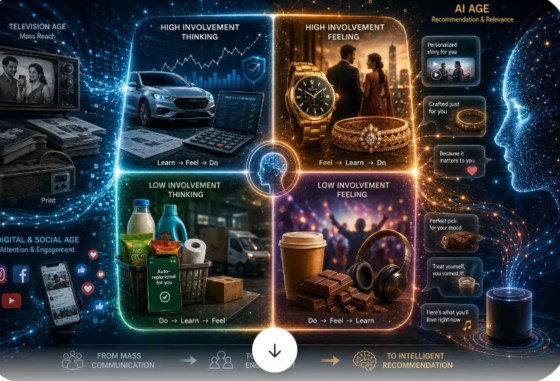
Abstract: The emergence of artificial intelligence has prompted marketers to question whether established theories and frameworks remain relevant. This essay…
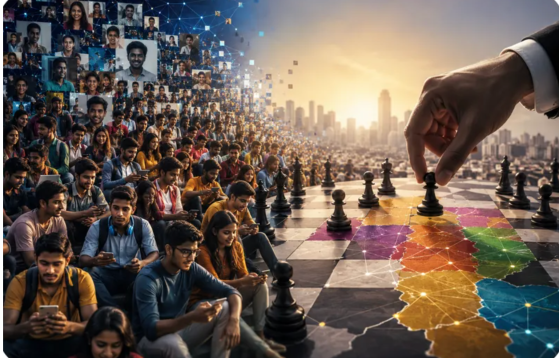
As India’s Gen Z cohort approaches full voting age, political strategists are increasingly confronting a challenge long familiar to marketers: how to understand and engage a vast but highly heterogeneous audience. This article traces the evolution of generational segmentation from its origins in marketing theory to its growing relevance in political communication. It argues that the future belongs not to broad-brush appeals aimed at “the youth,” but to sophisticated micro-segmentation that recognises the diverse aspirations, identities and realities within India’s 400 million-strong Gen Z population.
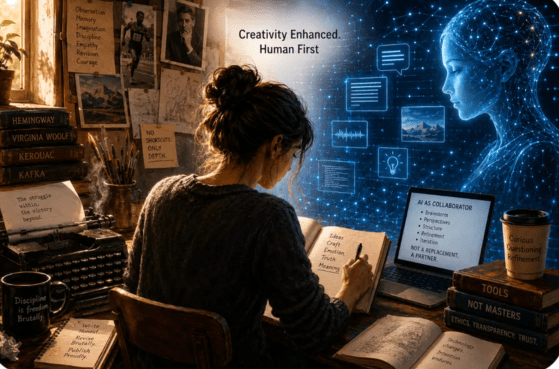
Abstract: As AI increasingly enters the world of creative production, society finds itself confronting a question long familiar in athletics: what constitutes legitimate enhancement, and what crosses into unacceptable intervention? This column explores the historical tolerance of “performance enhancement” in the arts — from narcotics to digital tools — and examines how AI is reshaping our understanding of creativity, authorship and authenticity. It argues that while transparency around AI collaboration is important in the early years, the future may reverse today’s assumptions: AI-assisted creativity will become normal, while purely human-made work may emerge as a rare artisanal category
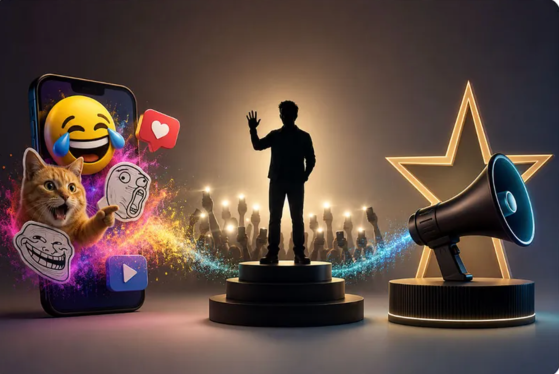
ncy of the digital era, while celebrities increasingly function as continuous generators of shareable cultural moments. But where do brands fit into this ecosystem? Can brands themselves become celebrities? And does a large follower base necessarily translate into true influence or virality? This column explores the evolving relationship between memes, celebrity and brands, arguing that the future lies not in chasing random virality but in what might be called “brandcasting” — the transformation of brands into sustained cultural presences that entertain, inform and emotionally engage audiences.
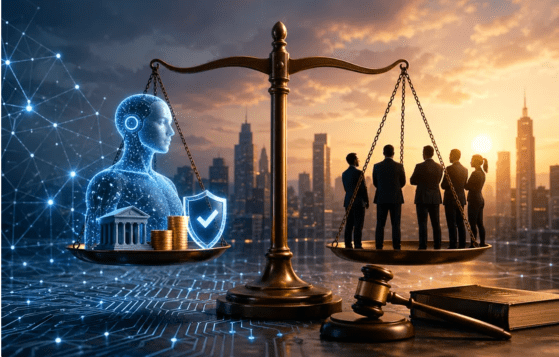
A simple provocation: What AI is not just a tool -but an economic citizen? An economic entity that can earn, spend and be held accountable – along with its human partners. We didn’t civilise society with intelligence. We did it with accountability. AI may need the same.
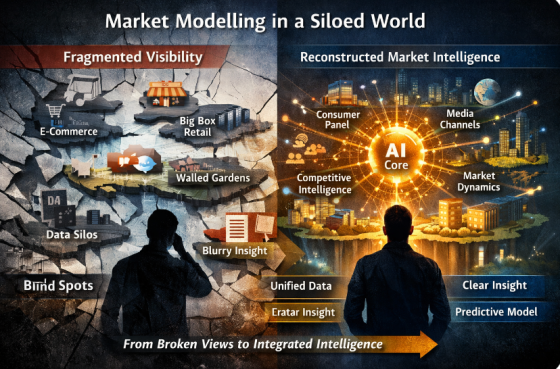
Over the past few decades, the influence of the Internet, digital media and e-commerce has had a huge impact on consumer marketing and shaken up the traditional structure and dynamics of the world’s advertising and market research agencies. While AI will further accelerate the change, in my MxMIndia column this fortnight, I outline the blossoming opportunity for a new kind of marketing services agency.

Time moves fast. AI seems to move faster. Three years after I first wrote about the Diffusion of AI, a revisit reveals that it has moved from the challenging “chasm” phase to storming through the world like a “tornado”. In this fortnight’s MxMIndia column, while marvelling at its speed, I find that AI is an ecosystem that needs to share its bounty with the users, unlike the creators of social media platforms, who only harvest their attention and engagement. The best catalysts for harnessing AI’s full potential are its users, provided AI platforms treat them as partners and co-creators.

Increasingly, as the world worries about where AI will take us. Will it lead to economic disaster as Big Tech engages in a multi-trillion-dollar race towards AGI? Will it create a cornucopia of productivity leaps that benefit everybody, or will it lead to a jobs desert for the educated young and only enable the big cats to line their pockets further? In today’s MxMIndia column, I ponder the spectre of job losses and discover that the threat of AI in the work sphere is best combated by the promise of AI in the sphere of professional education.
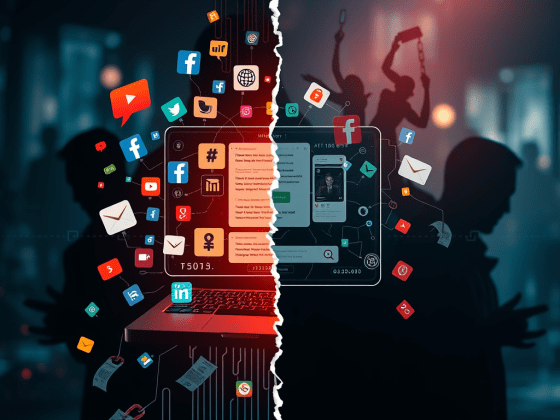
As the worthies gather in Delhi to discuss the potential of AI, a distinct peril looms on the horizon as OpenAI prepares to introduce advertising into ChatGPT. My post today does my bit to sound the alarm.

As the world debates how AI will change the very rhythms of human society, I find it interesting and useful to contemplate how the Internet and the smart phone have done so. In this post I explore an interesting framework to do so.

