Generational Segmentation, Gen Z & the Next Great Marketing Challenge

As India’s Gen Z cohort approaches full voting age, political strategists are increasingly confronting a challenge long familiar to marketers: how to understand and engage a vast but highly heterogeneous audience. This article traces the evolution of generational segmentation from its origins in marketing theory to its growing relevance in political communication. It argues that the future belongs not to broad-brush appeals aimed at “the youth,” but to sophisticated micro-segmentation that recognises the diverse aspirations, identities and realities within India’s 400 million-strong Gen Z population.


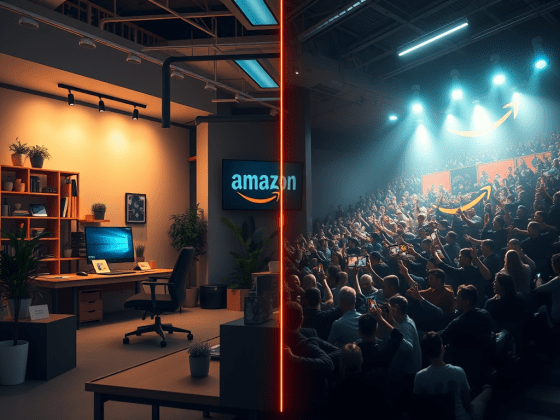
The Meme, The Celebrity & Brandcasting

ncy of the digital era, while celebrities increasingly function as continuous generators of shareable cultural moments. But where do brands fit into this ecosystem? Can brands themselves become celebrities? And does a large follower base necessarily translate into true influence or virality? This column explores the evolving relationship between memes, celebrity and brands, arguing that the future lies not in chasing random virality but in what might be called “brandcasting” — the transformation of brands into sustained cultural presences that entertain, inform and emotionally engage audiences.

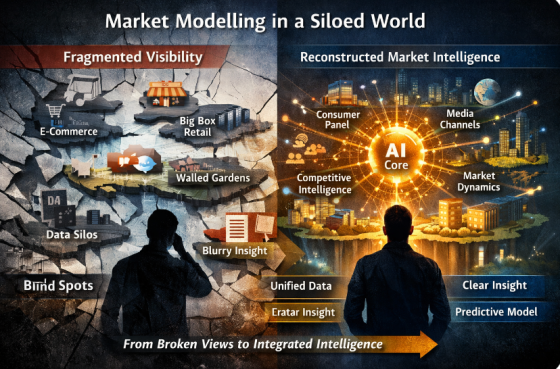
Market Modelling in a Siloed World

Over the past few decades, the influence of the Internet, digital media and e-commerce has had a huge impact on consumer marketing and shaken up the traditional structure and dynamics of the world’s advertising and market research agencies. While AI will further accelerate the change, in my MxMIndia column this fortnight, I outline the blossoming opportunity for a new kind of marketing services agency.